How to prevent aluminum oxidation?
Feb 10, 2026
The key to preventing aluminum oxidation lies in forming a stable, dense protective layer through surface treatment technology, isolating it from contact with oxygen, moisture, and corrosive substances. Depending on the application scenario, performance requirements, and cost budget, various mature industrial methods and routine maintenance measures can be selected.
I. Surface Treatment Technology: Building a Long-Lasting Protective Barrier This involves creating a protective layer on the aluminum surface that is thicker and stronger than the natural oxide film.
- 1. Anodizing: This is currently the most widely used "universal" surface treatment technology in industry. Its principle is to generate an aluminum oxide film on the surface of aluminum products through electrolysis. This film has a controllable thickness (typically 5-20 micrometers, hard anodizing can reach 60-200 micrometers), high hardness, and good corrosion and wear resistance. This film serves both protective and decorative functions.
- Chemical conversion treatment: This method requires simple equipment, is easy to operate, and does not consume electricity. It mainly involves chemical reactions such as chromating, phosphating, or chromium-free treatment to generate a thin chromate or phosphate film on the aluminum surface. Although its protective performance is generally not as good as anodized films, it is often used as an ideal undercoat for organic coatings such as paints and powder coatings, greatly improving coating adhesion.
- Organic Coating Protection: A physical barrier layer is applied directly to the aluminum surface. Epoxy resin, polyurethane, or fluorocarbon coatings adhere to the surface, forming a continuous protective film that effectively isolates the environment. Fluorocarbon coatings offer excellent weather resistance, with an outdoor service life of over 10 years. Varnish or Protective Film Coating: For products such as mirror-finish aluminum that require maintaining their metallic luster, a transparent varnish can be sprayed or a polyester film can be applied to directly block air and moisture.
II. Alloying and Material Selection Starting with the material itself, alloying can also enhance oxidation resistance. Adding magnesium, copper, and other elements to aluminum to form aluminum alloys can alter the structure and stability of the surface oxide film, thereby slowing down the oxidation rate. For example, the natural oxide film of some aluminum alloys is more stable than that of pure aluminum.
III. Production Process and Technology Control During the processing and production of aluminum products, adopting correct processes can effectively prevent initial oxidation and defects.
Using antioxidants containing aluminum oxide, fluorides, etc., on the aluminum surface temporarily forms a protective film. During treatments such as anodizing, ensure the formation of a high-quality, defect-free oxide film. Minimize friction and scratching on the aluminum surface during processing and handling, as surface damage will destroy the oxide film and become the starting point for corrosion.
IV. Daily Use and Maintenance Measures Regular Cleaning: Clean the surface regularly with a neutral detergent (pH 6-8) and a soft cloth to remove dirt and corrosive salts. Control Storage Environment: Keep the storage environment dry. Avoid Physical and Chemical Damage: Avoid collisions and scratches with sharp objects, and prevent direct contact with different metals (such as copper and steel) in humid environments to prevent electrochemical corrosion. Regular Inspection and Maintenance: Regularly inspect the surface coating of aluminum products. For outdoor or high-wear components, apply a special protective wax periodically, and promptly repair or re-treat any damaged coating.
Preventing aluminum oxidation is a systematic project. For industrial products, specialized surface treatment technologies such as anodizing or organic coatings should be prioritized. In daily use, the focus is on supplementary protection through controlling ambient humidity, avoiding contact with corrosive media, and performing regular cleaning and maintenance. Only by comprehensively selecting the most suitable protective combination based on the specific application scenario (such as interior decoration, outdoor construction, marine environments, or precision electronics) can the oxidation of aluminum be slowed down to the maximum extent, maintaining its aesthetics and performance.
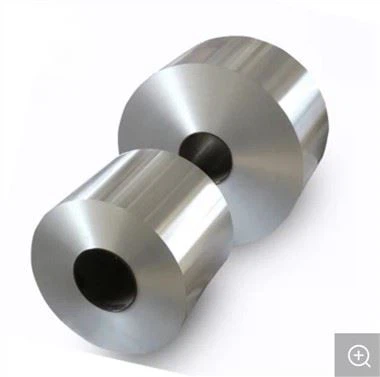
Shanghai Mengjiang Aluminum has specialized in producing aluminum foil(jumbo roll and small roll) for 18 years. Pls feel free to contact us for any questions via email: tracy@cnaluminiumfoil.com or wechat/whats'app: 8613661547963.