What's the difference between Tin foil and aluminium foil
Nov 21, 2022
What's the difference between Tin foil and aluminium foil?
Tin foil can be traced back to the late 18th century. It was used as an insulating material and protective packaging for electronic products, and dentists filled it with tin foil.
In the early 1910s, aluminum foil was first used as food packaging; Specifically, it is used to pack candies, such as Tobron walking sticks and life jackets. The rationing of tin during the war made aluminum the standard for packaging. After World War II, aluminum foil completely replaced tin.
Until tin foil was completely phased out, thr primary difference with aluminum foil was its elemental makeup. That single distinction accounts for aluminum foil's greater efficiency and lower cost.
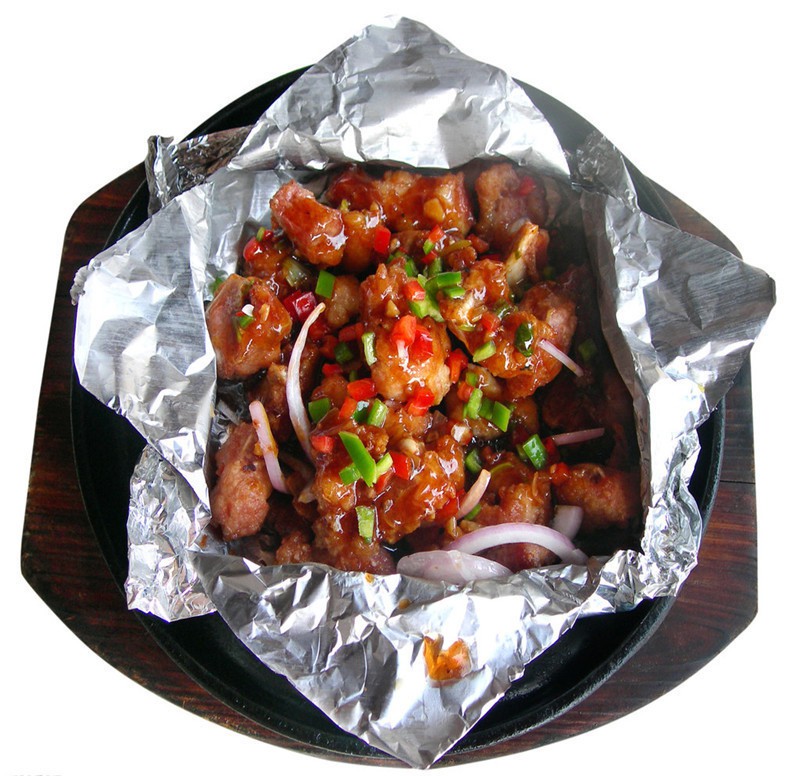
Aluminum foil paper is made of metal aluminum and aluminum alloy, which are pressed by equipment. Tin foil paper is made of metal tin, sometimes combined with lead.
Different melting points: aluminum foil paper has a high melting point, which can reach 660 ℃, while tin foil paper has a melting point of 231.89 ℃.
Aluminum foil is a silvery white metal in appearance, while tin foil is a slightly blue metal in appearance.
Different thermal insulation: aluminum foil paper has better thermal insulation than tin foil paper.
Cost: Aluminum foil is much cheaper than tin foil. As an additional benefit, it is also more efficient and effective.
Conductivity: aluminum foil has high thermal conductivity and conductivity
Durability: aluminum foil is very strong, while tin foil is very hard, which is more likely to bring bitterness and metallic taste to food.
Aluminum foil is superior to tin foil in cost, efficiency, durability and conductivity, and will become a popular substitute in the coming decades.